


Hey there! I'm a supplier of SPC flooring, and I've seen firsthand how important slip resistance is, especially in high - traffic or wet areas. Slip - resistant floors can prevent accidents and keep people safe. So, in this blog post, I'm going to share some tips on how to improve the slip - resistance of SPC flooring.
Understanding SPC Flooring
First off, let's briefly talk about what SPC flooring is. SPC stands for Stone Plastic Composite. It's a type of rigid core vinyl flooring that's known for its durability, water - resistance, and ease of installation. You can check out our SPC Flooring on our website to get a better idea.
SPC flooring consists of several layers, including a wear layer, a printed layer, a core layer, and a backing layer. Each layer plays a crucial role in the overall performance of the flooring, and the surface texture of the wear layer is particularly important when it comes to slip resistance.
Choosing the Right Surface Texture
The surface texture of SPC flooring has a huge impact on its slip resistance. There are different types of textures available, and each has its own advantages.
- Matte Finish: A matte finish on SPC flooring is a great option for improving slip resistance. It reduces the amount of light reflection, which not only gives a more natural look but also provides more friction underfoot. Matte - finished SPC floors are less slippery, especially when they're wet. You can find some great Waterproof SPC Vinyl Click Flooring With IXPE Underlayment with a matte finish on our site.
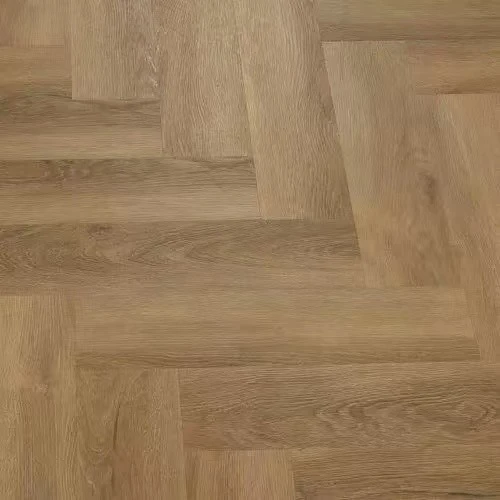
- Textured Patterns: Floors with textured patterns, like those that mimic the look of natural stone or wood grains, also offer better slip resistance. These patterns create more surface irregularities, increasing the contact area between your feet and the floor and thus providing more grip. Our SPC Composite Flooring comes in a variety of textured patterns that are both stylish and slip - resistant.
Applying Anti - Slip Coatings
Another effective way to improve the slip resistance of SPC flooring is by applying anti - slip coatings. These coatings are specially formulated to increase the friction on the floor surface.
- Types of Anti - Slip Coatings: There are two main types of anti - slip coatings: topical and integral. Topical coatings are applied on top of the existing flooring surface. They're easy to apply and can be a quick fix for improving slip resistance. Integral coatings, on the other hand, are mixed with the flooring material during the manufacturing process. They provide a more long - lasting solution but are harder to modify later.
- How to Apply Anti - Slip Coatings: If you're going to apply a topical anti - slip coating, make sure to thoroughly clean the SPC floor first. Remove any dirt, dust, or grease. Then, follow the manufacturer's instructions for applying the coating. Usually, it involves using a roller or a sprayer to evenly distribute the coating on the floor. Allow the coating to dry completely before using the floor.
Proper Cleaning and Maintenance
Cleaning and maintaining SPC flooring properly is essential for maintaining its slip resistance.
- Regular Cleaning: Regularly sweep or vacuum the floor to remove debris. Use a damp mop with a mild cleaning solution to clean the floor. Avoid using harsh chemicals or abrasive cleaners, as they can damage the floor surface and reduce its slip resistance. For more persistent stains, you can use a specialized SPC floor cleaner.
- Drying Wet Areas: In areas where the floor is likely to get wet, such as kitchens and bathrooms, make sure to dry the floor promptly. Use a dry mop or a towel to soak up any water. You can also place absorbent mats at entrances to prevent water from being tracked onto the SPC floor.
Using Slip - Resistant Mats
Slip - resistant mats can be a simple and effective addition to SPC flooring, especially in high - risk areas.
- Placement of Mats: Place mats in areas where people are likely to slip, such as in front of sinks, bathtubs, and showers. You can also use mats at the entrances of your home or building to prevent dirt and water from being carried onto the SPC floor.
- Choosing the Right Mats: Look for mats that are specifically designed to be slip - resistant. They should have a rough surface or a non - slip backing. You can find a wide range of slip - resistant mats in different sizes and styles to match your SPC flooring.
Considering Environmental Factors
The environment where the SPC flooring is installed can also affect its slip resistance.
- Temperature and Humidity: Extreme temperatures and high humidity levels can change the properties of the SPC floor and its surface. In hot and humid conditions, the floor may become more slippery. Make sure to maintain a stable indoor environment by using air - conditioning and dehumidifiers if necessary.
- Footwear: Different types of footwear can have different levels of grip on SPC flooring. Encourage people to wear shoes with good traction, especially in areas where slip - resistance is crucial.
Conclusion
Improving the slip resistance of SPC flooring is crucial for the safety of everyone who uses the space. By choosing the right surface texture, applying anti - slip coatings, maintaining the floor properly, using slip - resistant mats, and considering environmental factors, you can significantly enhance the slip resistance of your SPC flooring.

If you're interested in purchasing high - quality SPC flooring or need more advice on improving slip resistance, feel free to reach out. We're here to help you make the best choice for your project. You can also explore our other flooring options like Composite WPC Decking and WPC Decking for Decoration on our website.
References
- Flooring Industry Association Reports
- SPC Flooring Manufacturer's Guides
- Research Papers on Slip Resistance in Flooring


