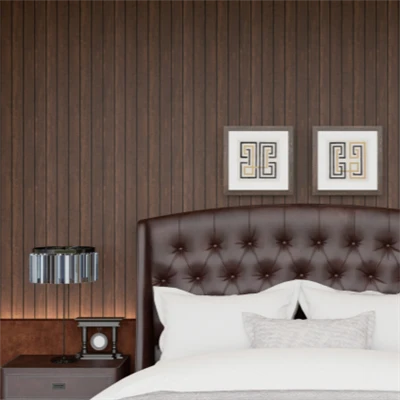

As a seasoned supplier of PVC panels, I've witnessed firsthand the pivotal role UV - resistance plays in the overall performance and longevity of these products. PVC panels have become a staple in various construction and interior design projects due to their versatility, affordability, and durability. However, understanding the UV - resistance of PVC panels is crucial for both customers and industry professionals.
Understanding UV Radiation and its Impact on PVC
Ultraviolet (UV) radiation is a part of the electromagnetic spectrum emitted by the sun. It is divided into three types: UVA, UVB, and UVC. Fortunately, the Earth's atmosphere blocks most UVC, but UVA and UVB still reach the surface. UVA has a longer wavelength and can penetrate deeper into the material, while UVB has a shorter wavelength and is more likely to cause surface damage.
When PVC panels are exposed to UV radiation, several negative effects can occur. The most obvious is discoloration. PVC panels may start to yellow, fade, or develop a chalky appearance over time. This not only affects the aesthetic appeal of the panels but also indicates a degradation of the material. UV radiation can break down the chemical bonds in PVC, leading to a loss of mechanical properties such as strength and flexibility. The panels may become brittle, crack, or warp, reducing their structural integrity and overall lifespan.
Factors Affecting the UV - Resistance of PVC Panels
There are several key factors that determine the UV - resistance of PVC panels.
Additives
One of the most important factors is the use of additives. UV stabilizers are commonly added to PVC during the manufacturing process. These stabilizers work by absorbing or reflecting UV radiation, preventing it from reaching and damaging the PVC molecules. Different types of UV stabilizers have varying levels of effectiveness and durability. Hindered Amine Light Stabilizers (HALS) are often used in high - quality PVC panels as they provide excellent long - term protection against UV degradation.
Pigments also play a role in UV - resistance. Inorganic pigments are generally more UV - stable than organic pigments. Panels with high - quality, UV - resistant pigments are less likely to fade or discolor when exposed to sunlight.
Thickness
The thickness of the PVC panel can influence its UV - resistance. Thicker panels tend to have better UV protection as they provide a greater mass of material to absorb and disperse UV radiation. A thicker panel can also withstand surface damage better, as the underlying layers are less likely to be affected by the initial breakdown caused by UV exposure.
Surface Treatment
Surface treatments can enhance the UV - resistance of PVC panels. For example, some panels may have a special coating that acts as a barrier against UV radiation. This coating can reflect or absorb UV rays before they reach the PVC substrate, prolonging the panel's lifespan and maintaining its appearance.
Assessing the UV - Resistance of Our PVC Panels
At our company, we take UV - resistance very seriously. We offer a wide range of PVC panels, each with different levels of UV - protection to meet the diverse needs of our customers.
For example, our TOP KING GrooveShield Impact‑Resistant PVC Ceiling Panel Series is designed with high - quality UV stabilizers and pigments. This series is suitable for both indoor and outdoor applications. When used outdoors, it can withstand long - term exposure to sunlight without significant discoloration or degradation. The impact - resistant property also ensures that the panels remain in good condition even in harsh environments.
Our TOP KING PrismSculpt Geometric 3‑D Decorative PVC Panel Range is not only visually appealing but also has excellent UV - resistance. These panels are often used in decorative projects where maintaining the color and appearance is crucial. The advanced manufacturing process and the use of UV - resistant materials ensure that the geometric designs remain sharp and vibrant over time.
The TOP KING 4‑Grid Mirror‑Inset Faceted 3D PVC Wall Panel Collection is another example of our high - end PVC panels with top - notch UV - protection. The mirror - inset design adds a unique touch to interior and exterior walls. The PVC material in these panels is formulated to resist UV damage, ensuring that the mirrors remain clear and the faceted structure remains intact.
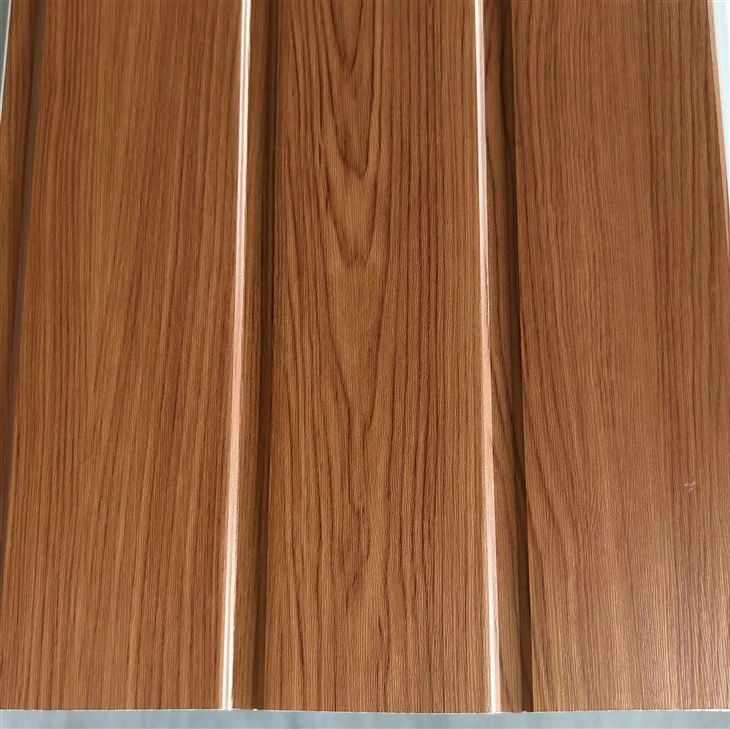
Our Waterproof PVC Striped Panel and Wood Grain PVC Panel also come with reliable UV - resistance. The waterproof panels are often used in areas prone to moisture and sunlight, such as bathrooms and outdoor patios. The wood grain panels are popular for their natural - looking appearance and are commonly used in both residential and commercial settings.
Testing the UV - Resistance
We conduct rigorous testing to ensure that our PVC panels meet the highest standards of UV - resistance. One of the most common tests is the accelerated weathering test. In this test, the panels are exposed to intense UV radiation in a controlled environment that simulates years of outdoor exposure in a relatively short period. We measure the color change, loss of gloss, and any physical damage to the panels to evaluate their UV - resistance.
We also conduct real - world exposure tests. We install our PVC panels in different locations with varying levels of sunlight exposure, including coastal areas with high UV intensity. By monitoring these panels over time, we can gather valuable data on their long - term performance and make any necessary adjustments to our manufacturing processes and formulations.
Applications and UV - Resistance Requirements
The UV - resistance requirements for PVC panels vary depending on the application.
Indoor Applications
For indoor applications, such as interior wall cladding, ceiling panels, and decorative partitions, the UV - exposure is generally low. However, some indoor spaces, such as large atriums, sunrooms, or near large windows, may still receive significant sunlight. In these cases, choosing PVC panels with moderate UV - resistance can help prevent discoloration and maintain the aesthetic appeal of the space over time.
Outdoor Applications
Outdoor applications demand high - level UV - resistance. PVC panels used for exterior wall cladding, garden fences, and awnings are constantly exposed to sunlight. Our high - performance PVC panels with excellent UV - resistance are ideal for these applications. They can withstand the harsh outdoor environment, including extreme temperatures, humidity, and UV radiation, without losing their structural integrity or color.

Conclusion
In conclusion, the UV - resistance of PVC panels is a critical factor that directly impacts their performance and lifespan. As a PVC panel supplier, we are committed to providing our customers with high - quality products that offer excellent UV - protection. Our diverse range of PVC panels, including the TOP KING GrooveShield Impact‑Resistant PVC Ceiling Panel Series, TOP KING PrismSculpt Geometric 3‑D Decorative PVC Panel Range, TOP KING 4‑Grid Mirror‑Inset Faceted 3D PVC Wall Panel Collection, Waterproof PVC Striped Panel, and Wood Grain PVC Panel, are designed to meet the specific UV - resistance needs of different applications.
If you are in the market for PVC panels and want to learn more about our products' UV - resistance or have any other questions, we encourage you to contact us for a detailed discussion. We are here to help you find the best PVC panel solutions for your projects.
References
- ASTM International. (2023). Standard Test Methods for Fluorescent Ultraviolet (UV) Lamp Apparatus for Exposure of Plastics. ASTM D4329.
- European Committee for Standardization. (2019). Plastics - Methods of Exposure to Laboratory Light Sources. EN ISO 4892.
- Wypych, G. (2019). Handbook of Material Weathering. ChemTec Publishing.