


Hey there! As a PVC panel supplier, I get asked a lot about how to clean PVC panels. It's a crucial topic because keeping your PVC panels clean not only makes them look great but also extends their lifespan. So, let's dive right into it!
Understanding PVC Panels
Before we start talking about cleaning, it's important to know what PVC panels are. PVC stands for polyvinyl chloride, which is a type of plastic. PVC panels are popular for many reasons. They're lightweight, durable, moisture - resistant, and come in a variety of styles and colors. Whether you use them for walls, ceilings, or other decorative purposes, they can really enhance the look of a space.
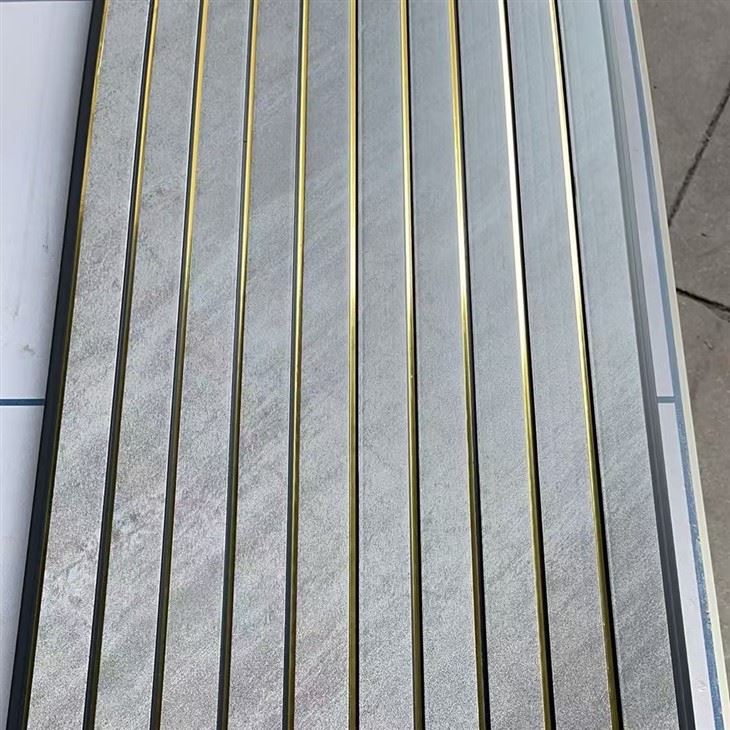
If you're interested in different types of PVC panels, we offer a wide range. Check out our High Quality PVC Fluted Panel, PVC Wall Panel, High Quality 3D PVC Wall Panel, High Quality PVC Striped Panel, and High - durability&Bend - resistant PVC Ceiling Panel.
General Cleaning Supplies
You don't need a whole bunch of fancy stuff to clean PVC panels. Here are some basic supplies you'll need:
- A soft microfiber cloth or sponge: This is great because it won't scratch the surface of the PVC panels.
- Mild detergent: You can use a regular dish soap or a specialized PVC cleaner. Just make sure it's mild to avoid damaging the panels.
- Warm water: It helps to dissolve dirt and grime.
- A bucket: To mix the cleaning solution.
- A dry cloth: For drying the panels after cleaning.
Step - by - Step Cleaning Process
1. Dusting
The first step in cleaning PVC panels is to remove the dust. You can use a dry microfiber cloth or a feather duster. Gently wipe the surface of the panels to get rid of loose dust. This step is important because if you don't remove the dust first, it can scratch the panels when you start using the cleaning solution.
2. Preparing the Cleaning Solution
Fill a bucket with warm water and add a small amount of mild detergent. Stir the solution gently until it's well - mixed. You don't want the solution to be too soapy, just enough to clean the panels effectively.
3. Cleaning the Panels
Dip a soft microfiber cloth or sponge into the cleaning solution. Wring it out so that it's damp but not dripping wet. Then, start wiping the PVC panels in a gentle, circular motion. Pay special attention to any areas that are particularly dirty or stained. If the dirt is stubborn, you may need to apply a bit more pressure, but still be careful not to scratch the panels.
If you're cleaning ceiling panels, it's a good idea to wear a hat and protective eyewear to avoid getting the cleaning solution in your hair or eyes.
4. Rinsing
After you've cleaned all the panels, rinse the cloth or sponge thoroughly and wipe the panels again with clean, warm water. This step is important to remove any residual detergent from the panels.
5. Drying
Use a dry cloth to dry the panels completely. Make sure there's no water left on the panels, especially in the corners or crevices. Leaving water on the panels can lead to water spots or mold growth.

Dealing with Specific Stains
Grease Stains
Grease stains can be a bit tricky, but they're not impossible to remove. You can use a degreaser specifically designed for PVC or a mixture of baking soda and water. Make a paste with the baking soda and water, apply it to the grease stain, and let it sit for a few minutes. Then, wipe it off with a damp cloth and rinse with clean water.
Marker or Ink Stains
If you have marker or ink stains on your PVC panels, you can try using rubbing alcohol. Dampen a cloth with rubbing alcohol and gently rub the stain. Be careful not to rub too hard, as this can damage the panel. After removing the stain, rinse the area with water and dry it.
Mold and Mildew
Mold and mildew can grow on PVC panels, especially in areas with high humidity. To remove mold and mildew, you can use a mixture of vinegar and water. Mix equal parts of vinegar and water in a spray bottle. Spray the solution on the affected areas and let it sit for about 15 - 20 minutes. Then, scrub the area with a soft brush or sponge and rinse it with water. Make sure to dry the panels thoroughly to prevent future mold growth.
Tips for Maintaining Clean PVC Panels
- Regular cleaning: Try to clean your PVC panels at least once a month to prevent dirt and stains from building up.
- Avoid abrasive cleaners: Abrasive cleaners can scratch the surface of the PVC panels, making them look dull and damaged.
- Protect from sharp objects: Be careful not to scratch the panels with sharp objects. If you need to install something on the panels, use appropriate tools to avoid damaging them.
- Control humidity: In areas with high humidity, use a dehumidifier to keep the moisture level down. This can help prevent mold and mildew growth on the panels.
Conclusion
Cleaning PVC panels isn't rocket science. With the right supplies and a little bit of effort, you can keep your PVC panels looking great for years to come. Remember, if you have any questions about our PVC panels or need more cleaning tips, feel free to reach out for a chat about possible purchases. We're more than happy to assist you, whether you're a homeowner looking to spruce up your place or a business in need of high - quality PVC panels.
References
- "The Basics of PVC Panel Maintenance" - DIY Home Improvement Magazine
- "Cleaning and Caring for Your Plastic Surfaces" - Plastic Products Association Guide


