


When it comes to interior decoration, PVC panels have become a popular choice due to their affordability, ease of installation, and versatility. As a PVC panel supplier, I know firsthand the importance of providing high-quality products that meet the needs and expectations of our customers. One common issue that many people face with PVC panels is yellowing over time. In this blog post, I will share some tips on how to prevent PVC panels from yellowing and ensure they maintain their aesthetic appeal for years to come.
Understanding the Causes of PVC Panel Yellowing
Before we delve into prevention methods, it's crucial to understand what causes PVC panels to yellow. Several factors can contribute to this issue, including:
- UV Exposure: Ultraviolet (UV) rays from the sun can break down the chemical bonds in PVC, leading to discoloration. This is especially common in areas where the panels are exposed to direct sunlight for extended periods.
- Heat and Humidity: High temperatures and humidity levels can accelerate the degradation of PVC, causing it to yellow. This is often a problem in bathrooms, kitchens, and other areas with high moisture content.
- Chemical Exposure: Contact with certain chemicals, such as cleaning agents, solvents, and pesticides, can cause PVC panels to yellow. These chemicals can react with the PVC material and damage its structure.
- Aging: Over time, PVC panels naturally degrade due to normal wear and tear. This can result in yellowing, especially in areas with heavy traffic or frequent use.
Prevention Methods
Now that we understand the causes of PVC panel yellowing, let's explore some effective prevention methods.
Choose High-Quality PVC Panels
The quality of the PVC panels you choose plays a significant role in their resistance to yellowing. Look for panels that are made from high-grade PVC resin and have been treated with UV stabilizers and other additives to prevent discoloration. At our company, we offer a range of high-quality PVC panels, including the High-durability&Bend-resistant PVC Ceiling Panel, which is designed to withstand harsh conditions and maintain its color over time.
Avoid Direct UV Exposure
To prevent yellowing caused by UV exposure, it's essential to minimize the panels' exposure to direct sunlight. You can achieve this by installing blinds, curtains, or shades on windows to block out UV rays. If the panels are installed outdoors, consider using a UV-resistant coating or paint to protect them from the sun's harmful effects.
Control Temperature and Humidity
Maintaining a stable temperature and humidity level in the room where the PVC panels are installed can help prevent yellowing. Use a dehumidifier in areas with high moisture content, such as bathrooms and kitchens, to reduce humidity levels. Additionally, ensure proper ventilation to allow air to circulate freely and prevent the buildup of heat and moisture.
Use Gentle Cleaning Agents
When cleaning PVC panels, it's important to use gentle cleaning agents that are specifically formulated for use on PVC materials. Avoid using abrasive cleaners, solvents, or harsh chemicals, as these can damage the panels and cause yellowing. Instead, use a mild soap and water solution or a PVC cleaner recommended by the manufacturer.

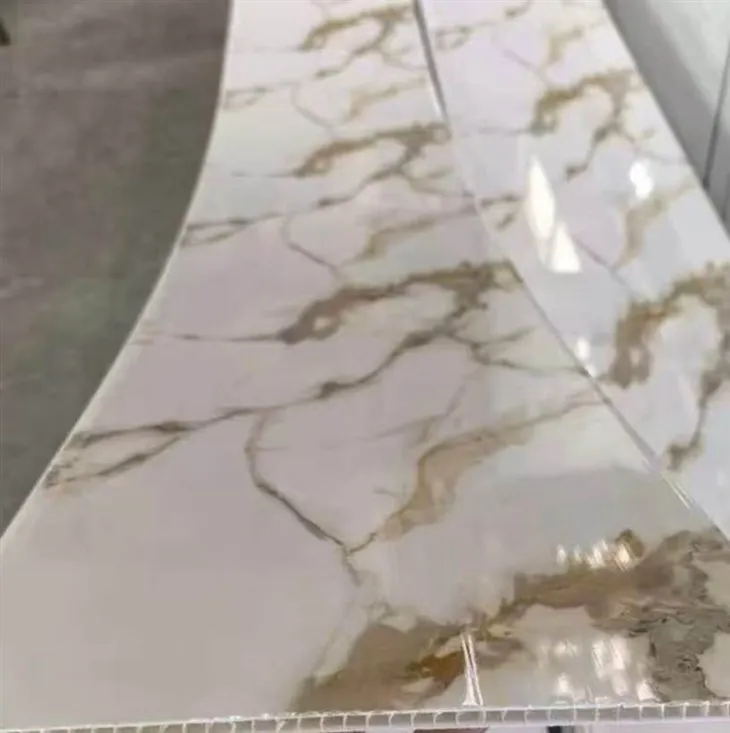
Inspect and Replace Damaged Panels
Regularly inspect the PVC panels for any signs of damage, such as scratches, cracks, or discoloration. If you notice any issues, replace the damaged panels immediately to prevent further yellowing and deterioration. This will help maintain the overall appearance and integrity of the PVC panel installation.
Install Panels Correctly
Proper installation is crucial to ensuring the long-term performance and appearance of PVC panels. Follow the manufacturer's installation instructions carefully and use the recommended tools and materials. Make sure the panels are installed tightly and securely to prevent gaps or spaces where moisture and dirt can accumulate.
Our PVC Panel Products
As a PVC panel supplier, we offer a wide range of PVC panel products to meet the diverse needs of our customers. Our products include:
- Waterproof PVC Ceiling Panel: These panels are designed to resist water and moisture, making them ideal for use in bathrooms, kitchens, and other wet areas.
- HD Printed Waterproof PVC Ceiling Panel: These panels feature high-definition prints that add a touch of style and personality to any room. They are also waterproof and easy to clean.
- 45% PVC Laminated Wood Grain 250mm Width PVC Ceiling Panel: These panels mimic the look of natural wood grain, providing a warm and inviting atmosphere. They are also durable and easy to install.
- PVC Ceiling Panel: Our standard PVC ceiling panels are available in a variety of colors and styles to suit any decor. They are affordable, easy to install, and require minimal maintenance.
Contact Us for Purchasing and Consultation
If you're interested in purchasing PVC panels or have any questions about preventing yellowing, please don't hesitate to contact us. Our team of experts is always ready to assist you and provide you with the information and support you need. We can help you choose the right PVC panels for your project, offer installation advice, and answer any other questions you may have.
References
- ASTM International. (2019). Standard Specification for Poly(Vinyl Chloride) (PVC) Plastic Panels. ASTM D4727 - 19.
- Plastics Industry Association. (2020). PVC: A Versatile and Sustainable Material.
- National Association of Home Builders. (2021). Guide to Selecting and Installing Interior Finishes.


