


Hey there! As a supplier of SPC flooring, I often get asked whether SPC flooring is eco - friendly. It's a hot topic these days, and for good reason. People are becoming more and more conscious about the environmental impact of the products they use in their homes and businesses. So, let's dive right into this question and see what the deal is with SPC flooring and its eco - friendliness.
First off, let's talk a bit about what SPC flooring actually is. SPC stands for Stone Plastic Composite. It's a type of rigid core flooring that's made up of a combination of natural limestone powder, polyvinyl chloride (PVC), and some other additives. This combination gives SPC flooring some really great properties, like being super durable, water - resistant, and easy to install.
Now, let's get to the eco - friendliness part. One of the big points in favor of SPC flooring is the use of limestone powder. Limestone is a natural and abundant resource. It's basically a sedimentary rock that's found all over the world. By using limestone powder in the manufacturing process, SPC flooring is making use of a material that's readily available and doesn't require a lot of energy to extract.

Another aspect to consider is the long - term durability of SPC flooring. Since it's so tough and resistant to wear and tear, it doesn't need to be replaced as often as some other types of flooring. This means less waste going into landfills over time. For example, if you have a high - traffic area in your home or office, SPC flooring can withstand the constant foot traffic for years without showing much signs of damage.
But, it's not all sunshine and rainbows. SPC flooring does contain PVC, which is a type of plastic. PVC has been a bit of a controversial material when it comes to the environment. During the production of PVC, there can be the release of some harmful chemicals, like dioxins. And when PVC is disposed of, especially if it's incinerated, it can also release these harmful substances into the environment.
However, many modern SPC flooring manufacturers are taking steps to address these issues. They're using more environmentally friendly production methods and are making sure that the PVC used in their products is of high quality and doesn't contain as many of these harmful chemicals. Some manufacturers are also working on recycling programs for SPC flooring, which is a great step towards reducing its environmental impact.
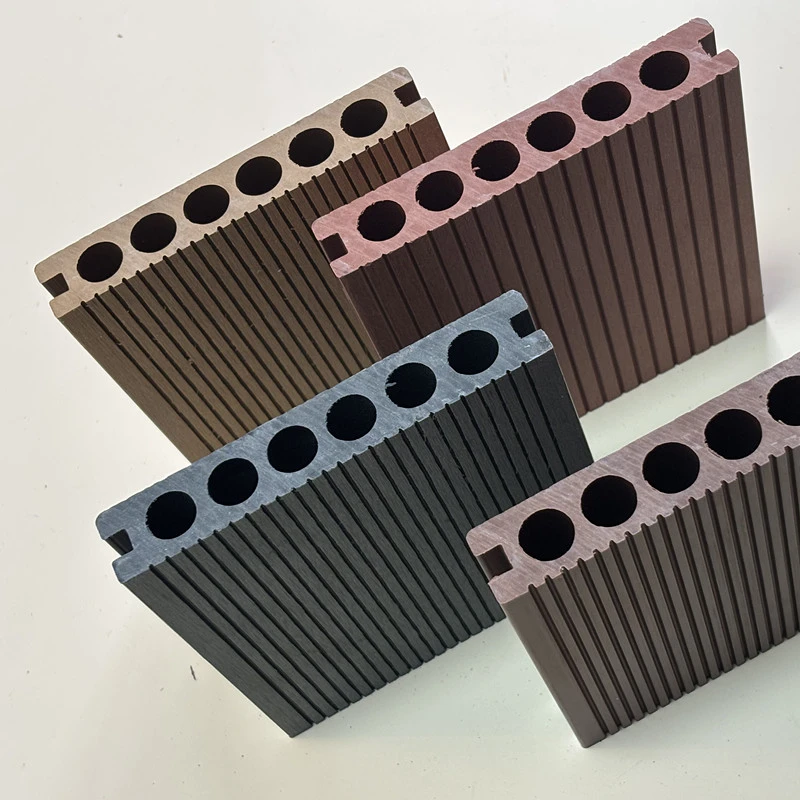
Now, let's compare SPC flooring with some other types of flooring in terms of eco - friendliness. Take Composite Wpc Decking for example. WPC (Wood Plastic Composite) decking is made from a combination of wood fibers and plastic. While it also has some environmental benefits, like using recycled wood fibers, it also has its own set of issues. The plastic component in WPC decking can also have a negative impact on the environment, especially when it comes to disposal.
Wpc Decking for Decoration is another option. Similar to WPC decking, it uses a mix of wood and plastic. But again, the plastic part can be a concern. SPC flooring, on the other hand, has the advantage of using natural limestone powder as a major component, which gives it a bit of an edge in terms of using a more natural resource.
When it comes to installation, SPC flooring is often a better choice for the environment. It usually comes in click - together planks, which means that no glue or nails are required for installation. This reduces the amount of chemicals that are released into the air during the installation process. And since it's so easy to install, it also means less energy is used during the installation, as there's no need for heavy machinery or long hours of labor.
In terms of maintenance, SPC flooring is also quite eco - friendly. It doesn't require a lot of harsh chemicals to keep it clean. A simple sweep and mop with a mild cleaner is usually enough to keep it looking great. This is in contrast to some other types of flooring that may require special cleaning products that can be harmful to the environment.
Now, let's talk about the end - of - life of SPC flooring. As I mentioned earlier, some manufacturers are starting to implement recycling programs for SPC flooring. This is a huge step forward. By recycling SPC flooring, we can reduce the amount of waste that goes into landfills and also conserve resources. If more and more manufacturers adopt these recycling programs, it will make SPC flooring even more eco - friendly.
So, is SPC flooring eco - friendly? Well, it's a bit of a mixed bag. On one hand, it uses a natural and abundant resource in the form of limestone powder, it's durable which reduces waste over time, and it's easy to install and maintain without the use of a lot of harmful chemicals. On the other hand, it does contain PVC, which can have some environmental drawbacks. But overall, with the steps that many manufacturers are taking to address these issues, I'd say that SPC flooring has the potential to be a very eco - friendly flooring option.
If you're in the market for flooring and are concerned about the environment, I'd encourage you to take a closer look at SPC Flooring. It has a lot to offer in terms of both performance and environmental friendliness. And if you have any questions or are interested in purchasing SPC flooring, don't hesitate to reach out. We're here to help you make the best decision for your home or business.
References:
- Industry reports on SPC flooring manufacturing processes
- Studies on the environmental impact of PVC
- Research on the durability and recyclability of SPC flooring


