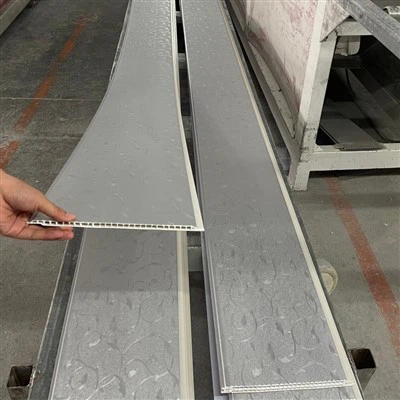
The production process of PVC sheets is actually quite systematic, mainly divided into six core steps: formula design, raw material pretreatment, mixing and plasticizing, molding and processing, post-processing, and packaging. Below, I'll outline the key points of each step:
1. Formula Design: This is the first step in production. Based on the performance requirements of the final product (such as strength, flexibility, color, etc.), the types and proportions of various raw materials, including PVC resin, plasticizers, stabilizers, fillers, and pigments, are precisely calculated and selected.
2. Raw Material Pretreatment: All raw materials need to be dried, especially fillers, which must be thoroughly dried to prevent air bubbles from affecting quality during subsequent processing. Then, they are accurately weighed according to the formula proportions.
3. Mixing and Plasticizing: This is the core step in production. The weighed raw materials are put into a mixer and thoroughly mixed under heating and shearing action, causing the PVC resin to plasticize and form a uniform viscous flow state, providing good fluidity for subsequent molding. Common processes include high-speed hot mixing.
4. Molding and Processing: The plasticized material is processed into sheets using different molding equipment. The main methods include:
Calendar Molding: The material is heated and calendered into continuous sheets using a calender.
Extrusion Molding: The material is melted and plasticized in an extruder, shaped through a die, pulled out, and then calendered and cooled to form a sheet.
5. Post-processing: The molded sheets need to be cut, drilled, printed, and surface treated (such as embossing and lamination) to achieve the final product size and appearance requirements.
6. Packaging: Finally, the finished products are cut, labeled, and packaged for easy storage and transportation.