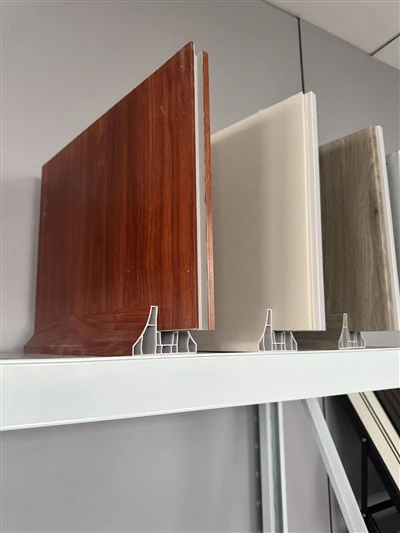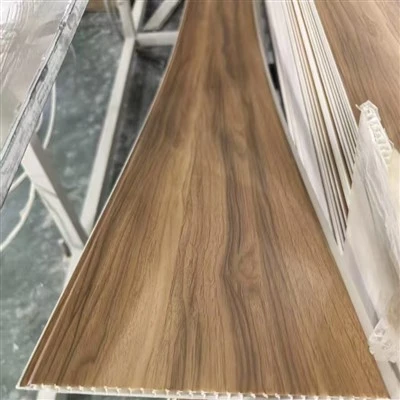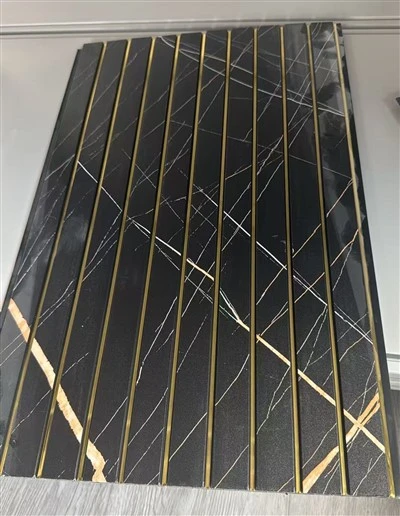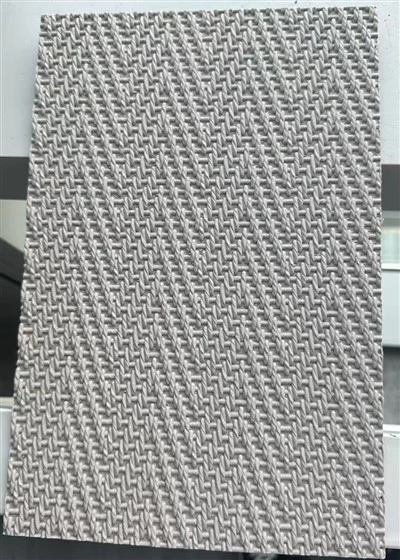
PVC sheets are mainly classified according to three dimensions: hardness, manufacturing process, and cross-sectional structure. Let me clarify for you:
Classification by Hardness
Rigid PVC Sheets: Contain little or no plasticizer, high hardness and good rigidity.
Common Applications: Building formwork, pipes, industrial structural components, furniture tabletops, interior decoration, etc.
Sub-types: Includes flat sheets, corrugated sheets, and irregularly shaped sheets (such as snap-on sheets).
Flexible PVC Sheets: Contain more plasticizer, soft and elastic.
Common Applications: Wire and cable insulation, floor rolls, hoses, packaging materials, automotive interiors, etc.
Classification by Manufacturing Process
PVC Foamed Sheets: Dense skin on the surface, foamed internally, lightweight, heat-insulating, sound-insulating, and easy to process.
Common Applications: Advertising display boards, decorative materials, packaging materials, furniture back panels, etc. PVC Free-Foaming Board: One-piece foaming, lower density, softer feel, and better cushioning performance.
Common Applications: Packaging filling materials, cushioning pads, toys, etc.
Classification by Cross-Sectional Structure
Flat Board: Smooth surface, the most common type.
Wave Board: Wavy cross-section, divided into longitudinal and transverse waves, with high bending stiffness.
Irregularly Shaped Board (PVC Buckle Board): Has a specific cross-sectional shape, commonly used in architectural decoration, such as ceilings and wall decorations.