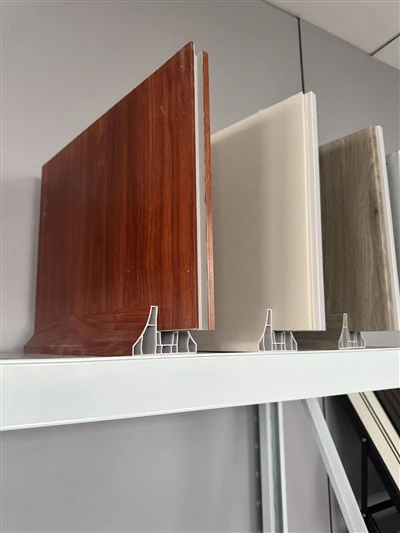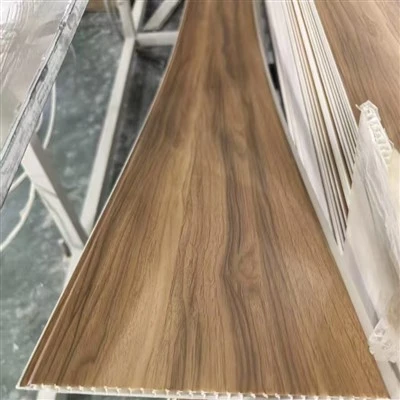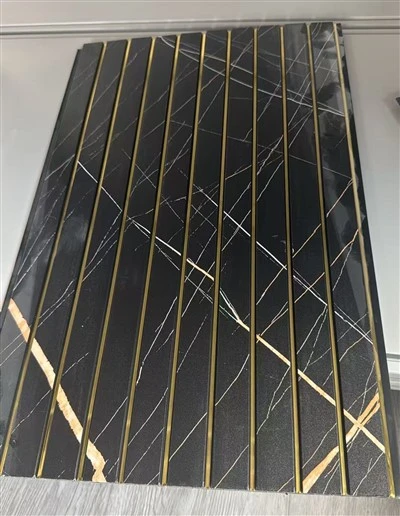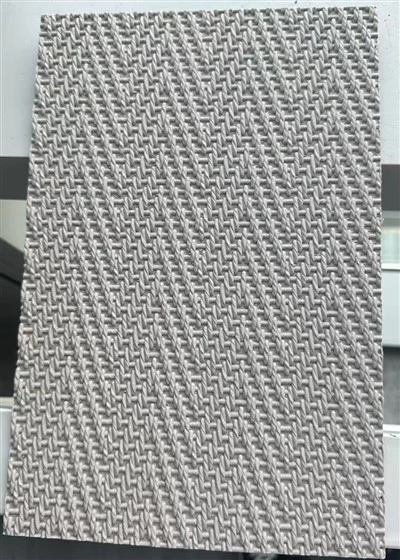
PVC stands for polyvinyl chloride. In simple terms, PVC is a type of plastic decorative material. Its chemical name is polyvinyl chloride. It is an amorphous thermoplastic resin made from vinyl chloride monomer through polymerization, plus certain additives (such as stabilizers, lubricants, fillers, etc.). It has strong mechanical properties, excellent acid and alkali resistance, and a low softening point. It is chemically stable. It is commonly used to make thin sheets, wire and cable insulation layers, seals, etc.
PVC, also known as polyvinyl chloride, has a density of 1.4 g/cm³. PVC plastic parts with added plasticizers and fillers generally have a density of 1.15-2.00 g/cm³. Rigid PVC has good tensile, bending, compressive, and impact resistance and can be used alone as a structural material. The flexibility, elongation at break, and cold resistance of flexible PVC increase, but its brittleness, hardness, and tensile strength decrease. PVC has good electrical insulation properties and can be used as a low-frequency insulation material; it also has good chemical stability. However, due to its poor thermal stability, prolonged heating will cause decomposition, releasing HCl gas and causing discoloration. Therefore, its application range is relatively narrow, and its operating temperature is generally between -15 and 55 degrees Celsius.
PVC is essentially a vacuum-formed film used for surface packaging of various panels, hence it is also called decorative film or adhesive film. It is used in many industries such as building materials, packaging, and pharmaceuticals. The building materials industry accounts for the largest share (60%), followed by the packaging industry, and several other smaller-scale applications.